
Earlier this week, I was invited to the soft launch of Straumann’s newest dental implant, the BLX.
The short version:
This is Straumann’s first real attempt to make a dental implant specifically designed for immediate loading, or immediate placement.
This is very much driven by patient demands and wishes to have as few treatment sessions as possible, and the mounting evidence that immediate placement is just as successful or possibly more successful when compared to delayed loading. (I don’t have any references to support this)
This dental implant has a bunch of clever design features that help it to get excellent primary stability – even when there is little to no bone. They claim you only need a few mm of engagement to achieve high insertion torques – and this seems to be reasonable after doing the hands-on session on the models – but I have not tried this in a real clinical situation yet.
The implant is a bone level dental implant, available in 3.75mm – 6mm width, and 8mm-16mm length. It costs a bit more than a standard Straumann dental implant, and of course, there is a new surgical kit to buy – although you might be able to just get 1-2 of the step drills, as the first two drills are the needle drill and 2.8mm drill for the NC range implants.
So What makes this special?
The closest thing you can compare this implant to is the Nobel Active – in fact, this seemed to be the main comparison on the day, and Straumann was keen to explain how this is a better implant than the Active.
The main reasons for this statement are that the Nobel Active implants will suddenly reach high torques, running the risk of over torquing the implant before it is at the ideal placement.
But before we get into the details, lets look at what makes this dental implant so special.
In summary, the main differences are:
- Claw-shaped cutting edges (push and cut design)
- Thread design for compressing bone
- Sequential osteotome effect
- Difference between the widths of implants (3 core designs)
- Internal torcs connection
- Collecting bone chips to increase BIC
- Reverse outer thread at the top of the implant to open up other prosthetic possibilities (although there are no component to fit this yet)
Lets look at the shape of the cutting edge of the implant.
The BLX Implant is pretty much a self tapping implant, and the cutting edge of the threads have been designed by looking at nature, and this allows the implant to treat different types of bone differently.
If you look at animal claws, shark teeth and the profile of most incisors, they have a similar shape. This is the most efficient shape for cutting anything – anyone who has been scratched by an animal will know how efficient this shape is!
 The thing to notice about this cutting claw is that the edge of the claw is a little bit internal to the outer circumference of the dental implant.
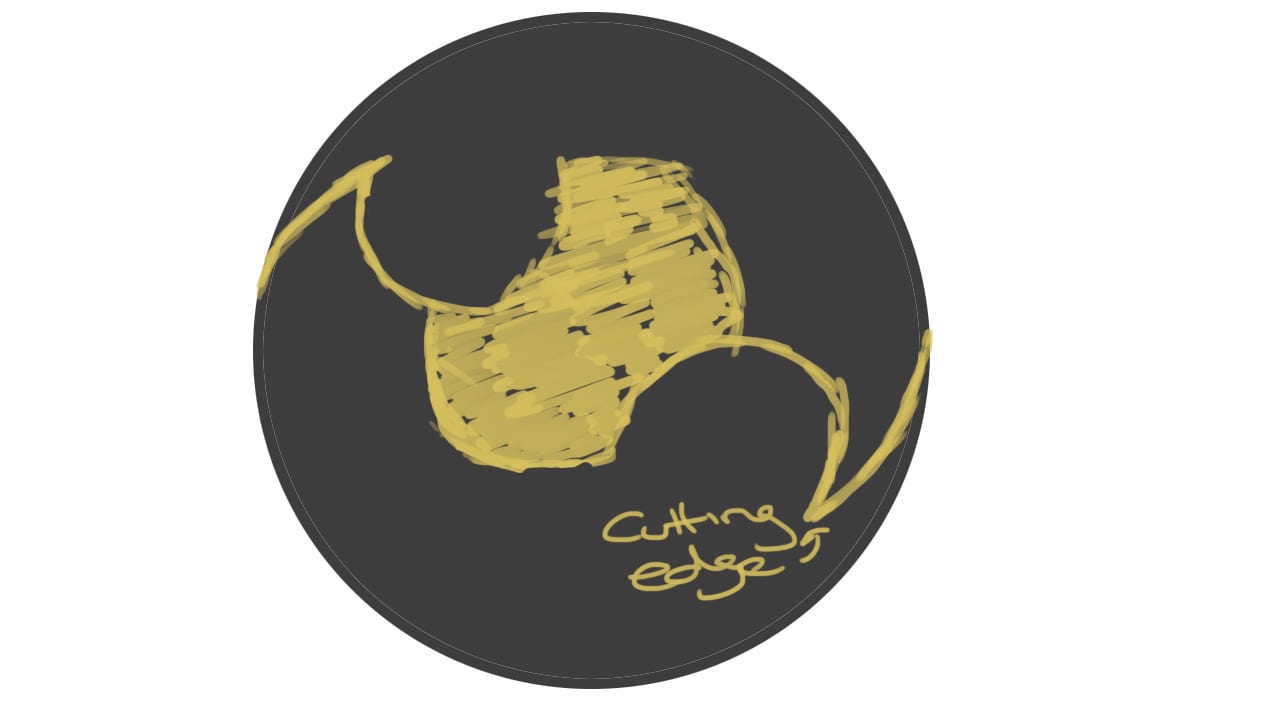 this means that when you rotate the implant, if it encounters soft bone, the bone is likely to flex and get pushed out, effectively being condensed to increase the bone density and primary stability.
If the cutting edge comes in contact with hard bone, then its more likely that the implant will cut this hard bone, and the bone fragments will end up in the threads of the implant. The threads then get smaller and smaller towards the neck, therefore compressing these fragments in between the threads, increasing bone in contact with the implant, and bone density, and primary stability again!
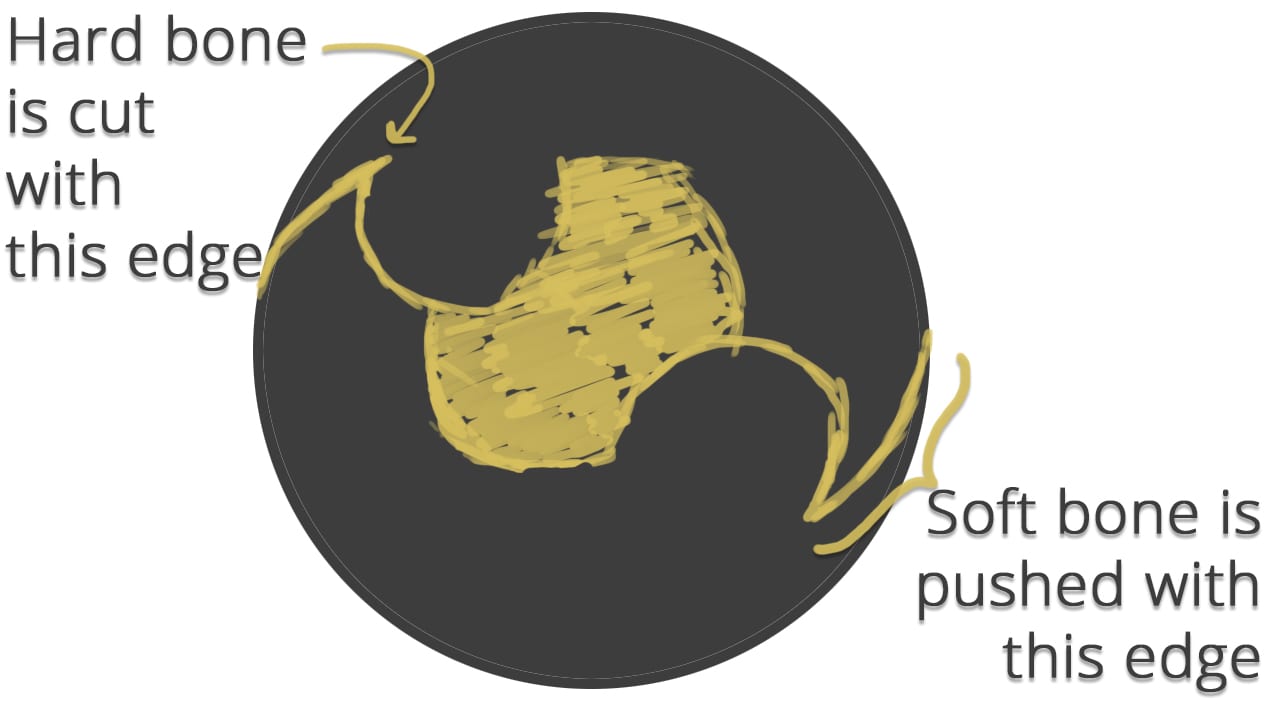 When you look at the implant, you can see that this claw pattern is on the cutting edge as you insert the implant and the reverse aspect of it. This is quite important because Straumann suggests that when you are reversing the implant out, it maintains its torque at high levels while reversing.
In the demonstration, they were showing this effect, and the implant was holding about 50Ncm for about 1/4 – 1/2 a turn while reversing it out.
What was interesting was that when rotating it in again, the torque was still high, just a little less than the first attempt.
It is suggested that this effect lets you control the torque on the dental implant, and achieve your ideal torque.
This was contrasted with the Nobel Active, which suddenly hits high torques, with little control (but I have never used this implant, so I am passing on these experiences.


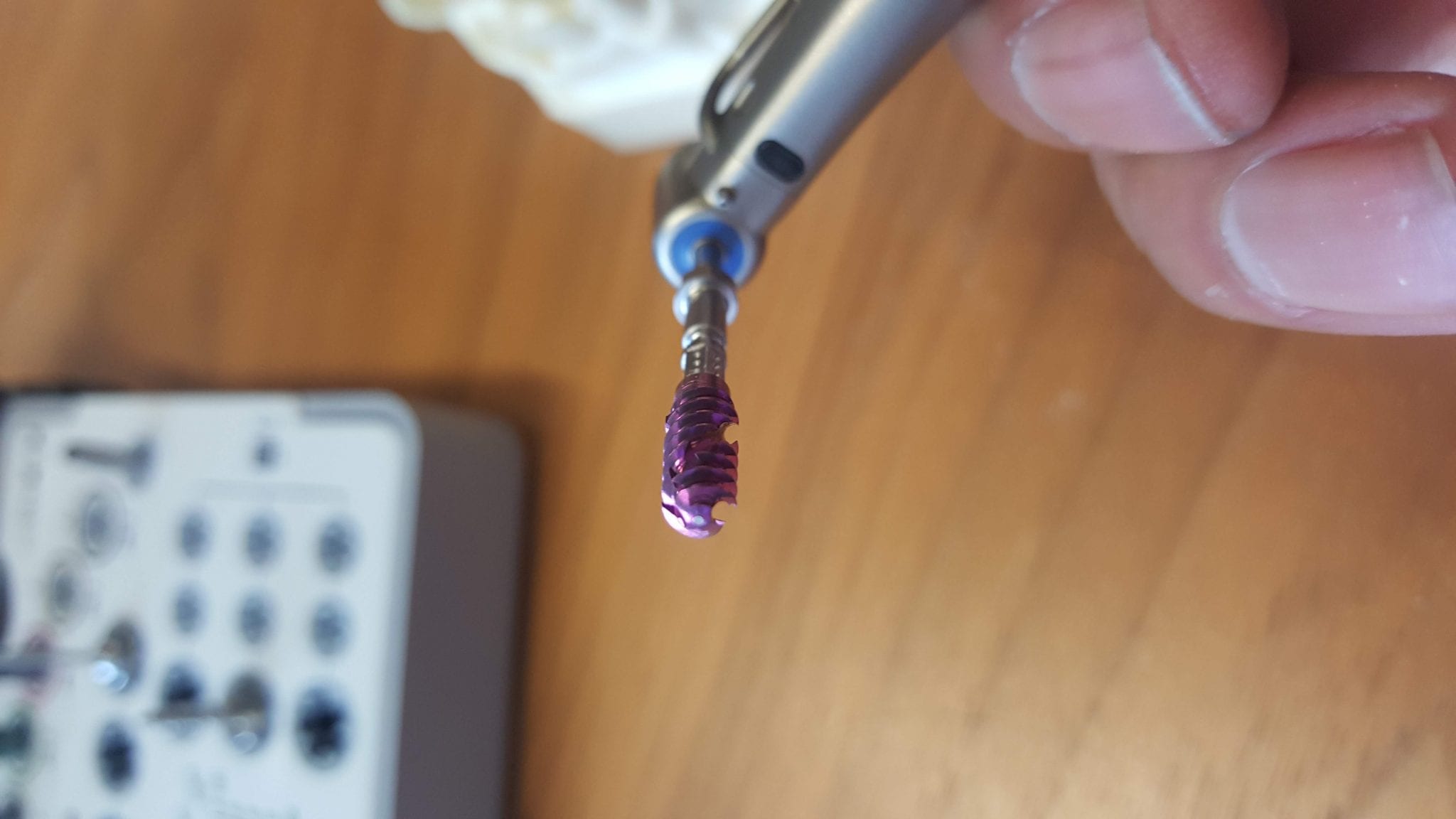
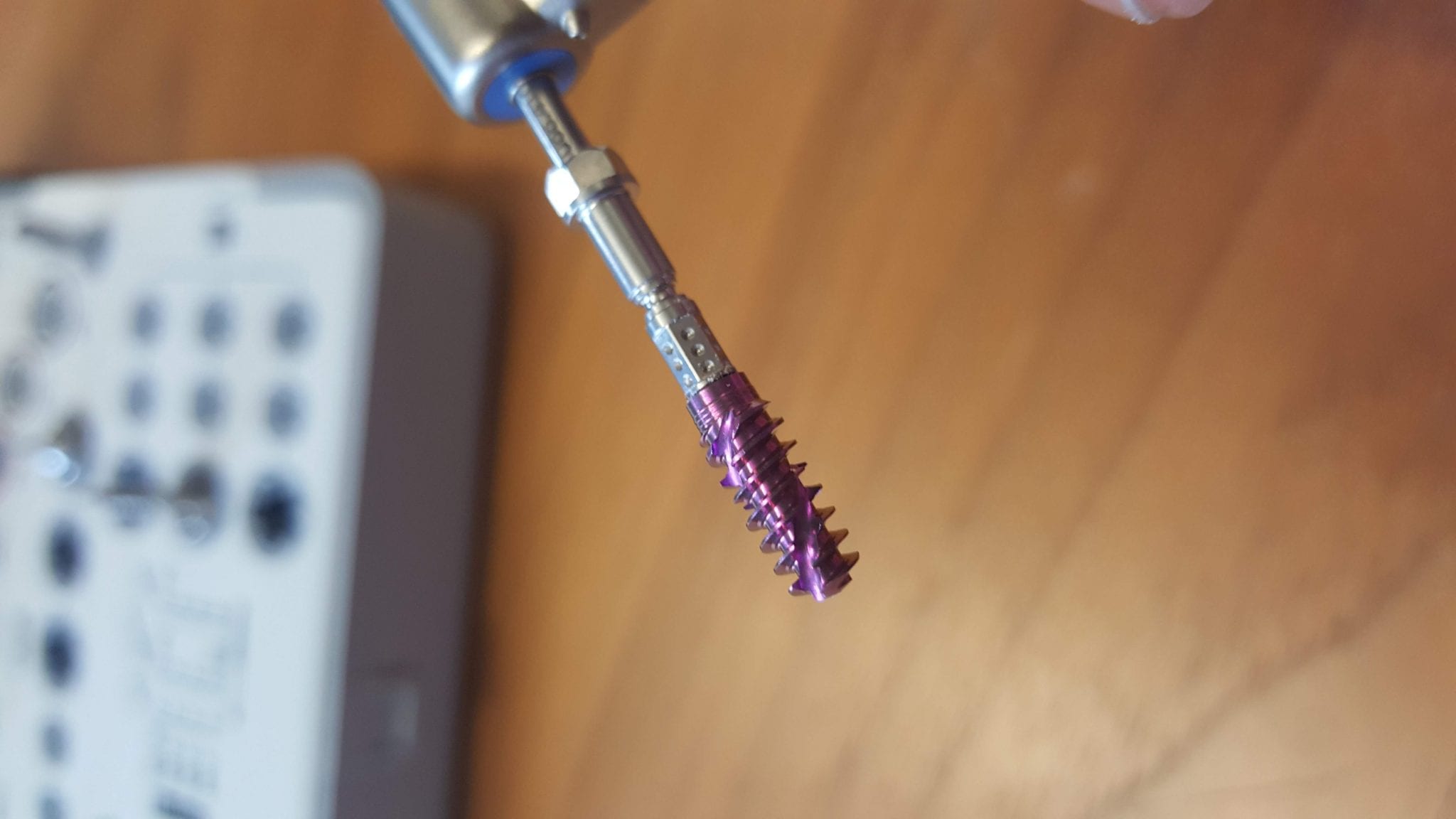
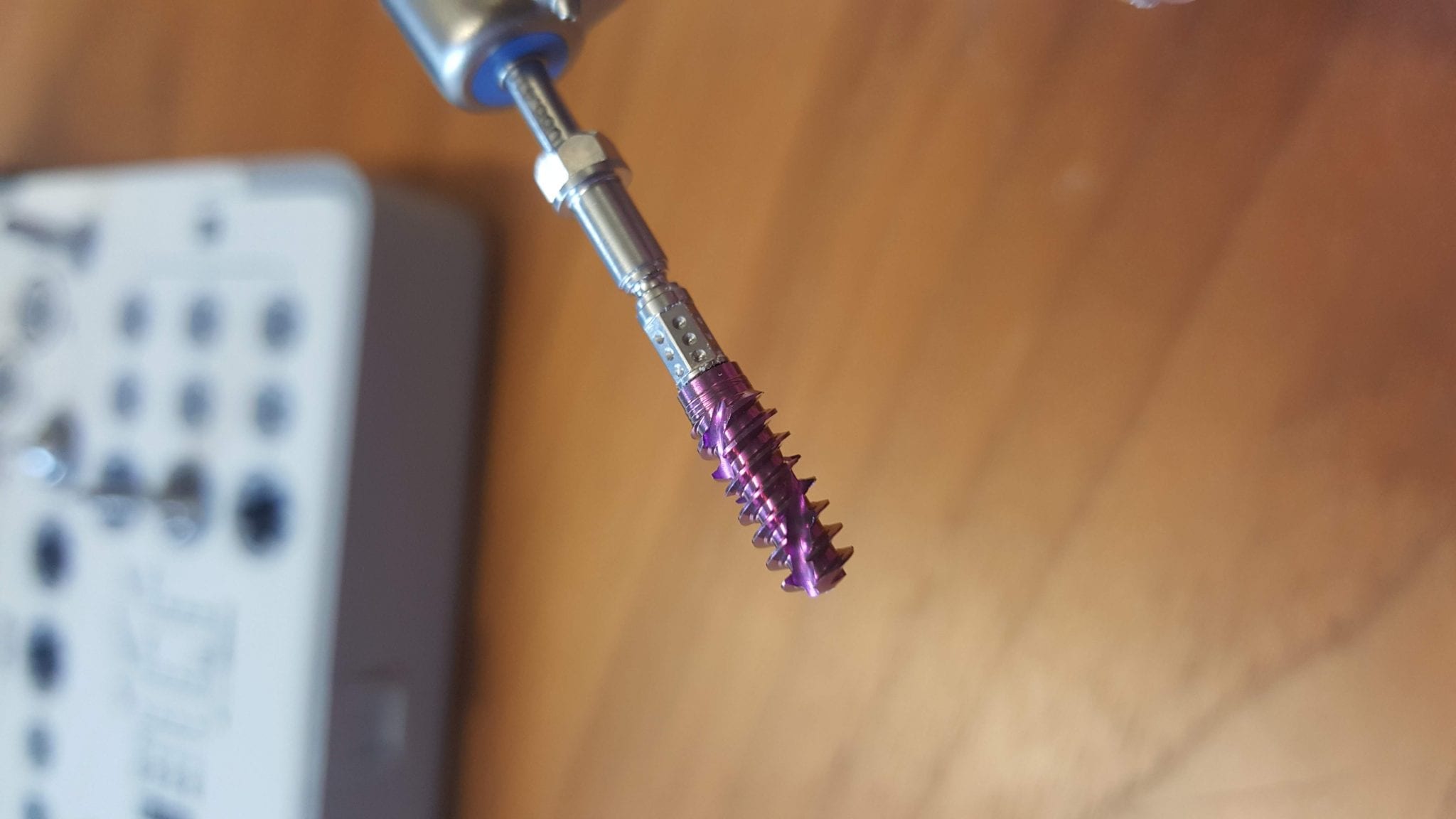
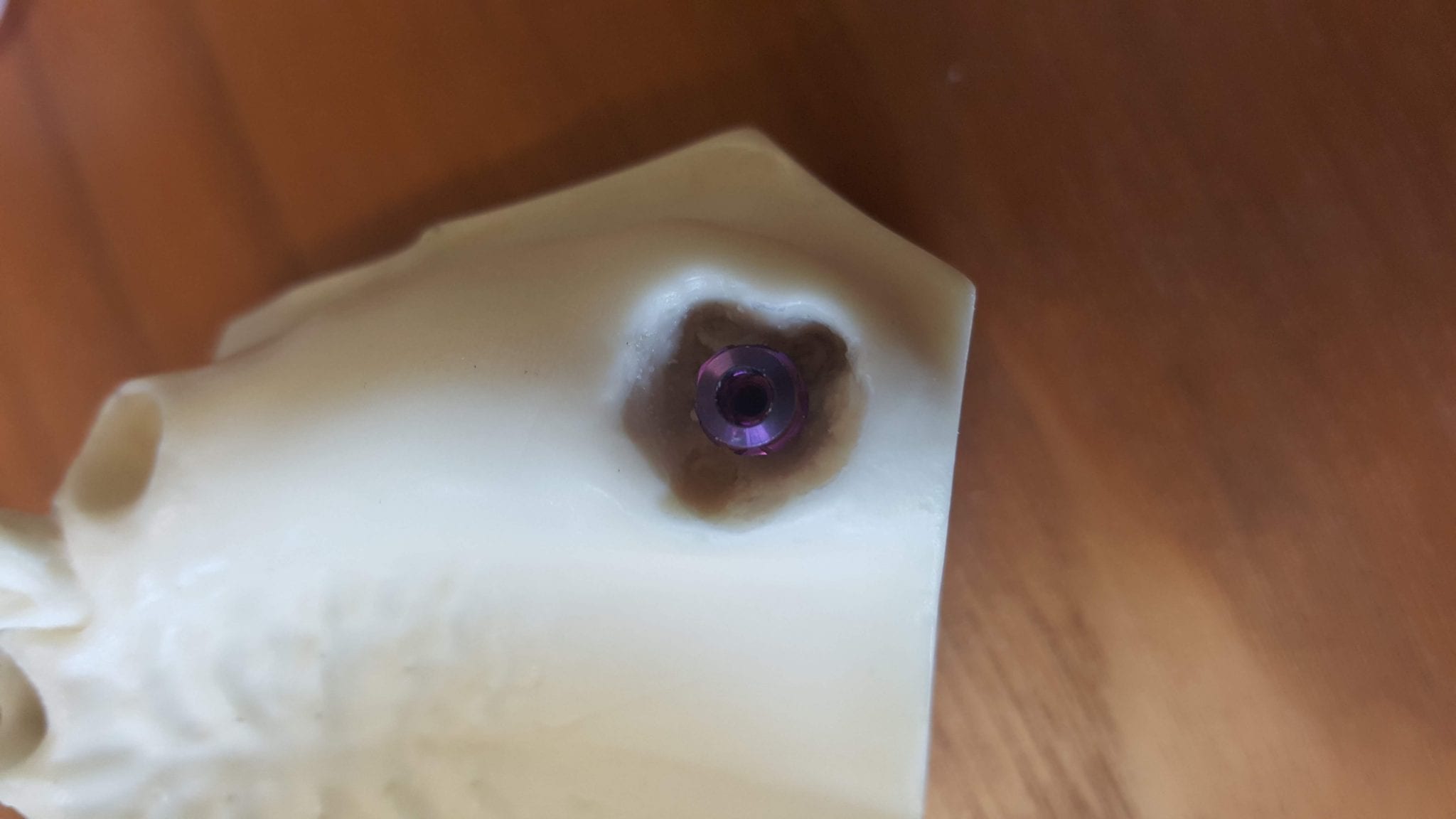
The implants come in a variety of sizes, but there are really, only two ‘core’ sizes, and the difference is in the length of the threads. Since most of the implants are about 2.8mm core, this means that you can under prepare your osteotomy to 2.8mm, and let the implant do the rest, and it doesn’t matter which implant you used. The larger implants will compress the bone more between the threads, meaning you will get more primary stability.
The larger implants have a wider core, you will need to widen the osteotomy more to place these.
The core itself is tapered, which means you almost get a sequential osteotome effect as you place the dental implant – can you guess what this means? yes, more primary stability!
In theory, this implant seems excellent for immediate loading, and as they stressed on the day, it’s definitely not for beginners- you need to really take control of the placement, otherwise, the implant will follow the path of least resistance!
It is nice to see companies innovate new designs in this field, I will need to try a few of these implants before passing final judgement but overall I was impressed with the new system.
You will need to contact Straumann to find out costs for this implant, but as with any premium dental implant, it is on the higher end of the scale. You will also need to factor in the new surgical kit and as of writing this, there is not a full range of prosthetic components (yes, the internal connection has been improved as well!).
Let me know your thoughts on this, either comment on here or get in touch via Instagram
Get Blog / Cases to your Inbox
If you want to be notified by email when I post a new case, just click the button and fill in the form